


How Does Influencer Marketing Actually Work? A Beginner’s Guide
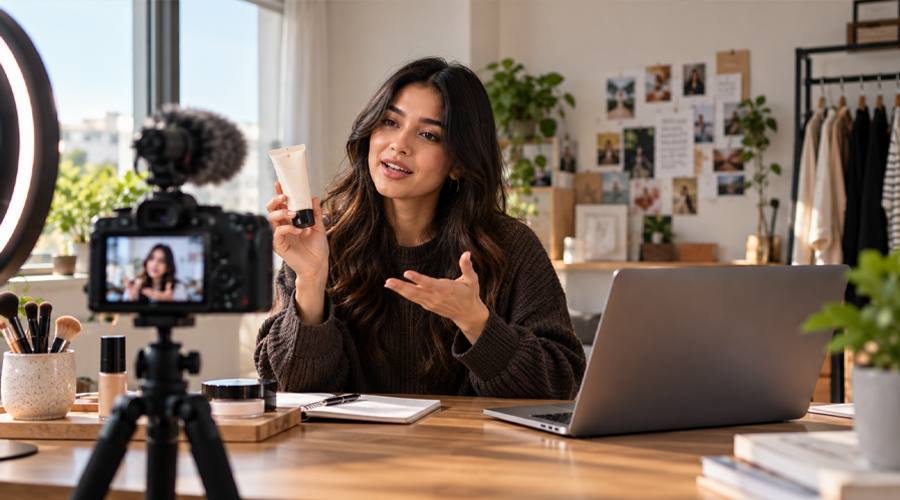
People often learn about new products and brands through social media creators. A creator might review a product, show how it works or share their experience with a service. When followers trust the creator’s opinion, they may consider trying the product themselves.
This is how influencer marketing helps brands reach potential customers. Instead of promoting a product only through their own channels, brands work with creators who already have an audience.
But how does influencer marketing work, and what should a brand know before starting a campaign?
What Is Influencer Marketing?
Influencer marketing is when a brand partners with a content creator to promote its products or services. These creators build an audience by sharing content about topics such as beauty, fitness, food, travel, technology or everyday life.
For example, a skincare brand might work with a beauty creator to demonstrate how to use a face cream. A fitness brand could partner with a trainer who shares workout routines and recommends suitable products.
The aim is to introduce a brand to people who may be interested in its offerings. A creator’s follower count is worth considering, but their audience’s interests, the quality of their content and the trust they have built are just as important.
How Does Influencer Marketing Work?
An influencer marketing campaign usually follows five steps.
1. Set Campaign Goals
First, the brand needs to decide what it wants to achieve. It might want more people to know about a new product, visit its website or make a purchase.
The goal helps the brand decide which creators to approach and what content to create. For example, a product launch may call for a demonstration video, while a campaign aimed at bringing visitors to a website could include a link to the product page.
2. Identify the Target Audience
The brand must then know who it is trying to target. This includes the audience's interests, geographical location, age, and preferred social media.
Even a creator with a few thousand followers won't be appropriate for all brands. For example, a business software company may find it more useful to partner with a writer that shares workplace advice as opposed to someone who writes about entertainment.
3. Search for Suitable Influencers
With an understanding of the audience, the brand can seek out creators who frequently talk about their relevant topics. It can look into social media platforms; it can review similar campaigns, or approach an influencer marketing agency for assistance.
Before making a decision, the brand should check the creator’s content, audience, engagement and previous brand partnerships. The style should also match the product that they're promoting. It's not good practice to rely solely on a high number of followers for a good match.
4. Plan and Publish Content
Once a creator is selected, both parties sign up for what the content marketing campaign will entail. This includes the type of content, key messages, number of posts, deadlines and payment.
The brand shares with the creator the information needed by the creator, including product information and campaign objectives. Even so, the creator should leave the opportunity to communicate their message in their own manner. It's often easier to tell it like it is, and it's much easier to make a useful demonstration of a product than to write it as a traditional advertisement.
Some popular formats are sponsored posts, product reviews, short videos and live sessions. Where a brand pays for a partnership the fact should be clearly communicated to viewers to identify when there is such a partnership.
5. Review the Campaign
Once the content is published, the brand can review how people respond. Comments, questions and feedback can show whether the content has caught the audience’s attention and what people want to know about the product.
These responses can also help shape future campaigns. If viewers find a product demonstration useful, for example, the brand may use a similar format in its next collaboration.
What Are the Different Types of Influencers?
Influencers are often grouped by the number of followers they have. These categories are general guidelines, and the exact ranges may vary.
- Nano-influencers: Usually have fewer than 10,000 followers and often focus on a specific interest or local community.
- Micro-influencers: Commonly have 10,000 to 100,000 followers and create content for a focused audience.
- Macro-influencers: Generally have 100,000 to one million followers and can help brands reach more people.
- Mega-influencers: Typically have more than one million followers and may include celebrities or well-known public figures.
Smaller creators may suit brands that want to reach a specific group of people. Larger creators can help introduce a brand to a wider audience. The best option depends on the campaign goal, the people the brand wants to reach and its budget.
What Makes an Influencer Marketing Campaign Work?
A good influencer marketing campaign needs a creator who connects with the brand’s target audience. A few simple factors can help make the campaign work well.
- Relevant audience: The creator’s followers should be interested in the product or service.
- Natural content: The promotion should match the creator’s usual style and feel genuine to viewers.
- Clear expectations: Both sides should agree on the content, deadlines, payment and usage rights.
- Honest disclosure: Creators should clearly mention paid partnerships so viewers know about the brand’s involvement.
- Creative freedom: Brands should share key messages but let creators present them in their own style.
- Track campaign results: Check views, likes, comments, link clicks and sales to see how people respond. Compare these results with the campaign goals to assess its performance.
Influencer campaigns can also support social media marketing Services by giving brands ideas for future posts.
Final Thoughts
Influencer marketing helps brands reach potential customers through creators they follow and trust. A clear plan, the right creators and relatable content can help brands connect with their audience.
Ready to plan your next influencer campaign? Partner with Hawk Martech to turn your marketing goals into action.
